Should I buy travel insurance? I’m sure at one point while planning your trip this question crossed your mind and just…kept… on…going. You wouldn’t be alone in marginalizing the importance of travel Insurance coverage. Travel insurance is one of those items often forgotten in lieu of more “important” trip planning priorities like flight or hotel accommodations. It’s one of those topics that understandably gets very little consideration, and is often relegated to the “maybe” pile of your trip planning. No one wants to think about the worst case scenario happening to them. We’re all confident that we take the right precautions and travel smart. Seriously, who wants to think about contracting malaria within the same vein as beaches and cocktails?
In reality, no matter how prepared or careful you are and regardless of the precautions you take, accidents beyond your control do happen. I personally never expected to throw out my shoulder in Thailand, nor did my wife plan on burning herself on a scooter in Vietnam. In both cases, we were fully covered and didn’t have to worry about the financial impact of not having coverage. For around $8 per day for both of us, we had complete peace of mind.
The last thing you want is for the unexpected to turn a once in a lifetime vacation into a nightmare that will leave you financially incapacitated for years and years to come. Travel insurance coverage is one of those things that you hope you never need, but are sure as hell glad that you have.

Travel insurance is the single most important decision you can make for your trip. Besides just covering emergency medical insurance and evacuation coverage, travel insurance also reimburses you in the event your plans change or is cut short due to illness or the death of a loved one. Other incidental coverage is also generally included like gear theft and damage or baggage delays. To be clear, travel Insurance is emergency coverage only and covers accidents during the course of your travels. Simply stated, you can’t go and get that physical you’ve been putting off back home. But for a few dollars a day, it was one of the best decisions my wife and I had the foresight to make. Buy travel insurance! It’s invaluable and worth every penny.
Unfortunately, navigating the different travel insurance plans can be an involved and confusing process. With a multitude of companies, benefits and unfamiliar terminology it becomes pretty darn difficult determining what policy works and more importantly which travel insurer has your back. To make matters worse, the coverage only kicks in AFTER something happens, so you really can’t take it for a test drive beforehand! Just be aware that not all travel insurance coverage is created equal, and not all policies are executed the same.
I personally use World Nomads because of their transparency, huge list of activities covered, and the freedom to alter the policy while on the road. But don’t take my word for it, go with the company you feel most comfortable with, just make sure you read the fine print and ask the agent a million questions.
To help put you on the right path, below are some things you should be keenly aware of:
 Types of International Travel Insurance

Part of the complexity of purchasing international travel Insurance coverage is understanding the different options that are available and how each applies to you or a particular circumstance:
Medical Insurance
When considering travel insurance, most are familiar with travel medical Insurance. Similar to the medical insurance provided at home from insurers like Blue Shield, travel medical insurance covers the cost of emergency doctor visits, procedures, and overnight stays. However, HMOs and PPOs have limited coverage outside of their network and overseas, and IF it is covered, you’ll usually have to pay out of pocket first and be reimbursed when you get home. With travel medical insurance, the hospitals will work with your insurer directly on all billing matters. Still, in the event of any occurrence, be sure to contact your travel insurance company beforehand and let them know what’s going on.
Note that some activities are not covered, and you must clarify with your insurer what those are. World Nomads list the activities covered by location.
Evacuation Insurance
Travel medical insurance only covers care and treatment received in the hospital, but does not cover emergencies that may require “medical repatriation”. Evacuation insurance, like the name suggests, covers the cost of evacuating you from the location and transporting you back home for additional care. Usually this only kicks in if absolutely medically necessary, but still needs to be an essential part of your policy. Make sure that any medical coverage includes evacuation coverage, typically in the amount of $300,000. As with all insurance matters, be sure to discuss with your agent what is covered before and after you get to the hospital.
 Cancellation and Interruption
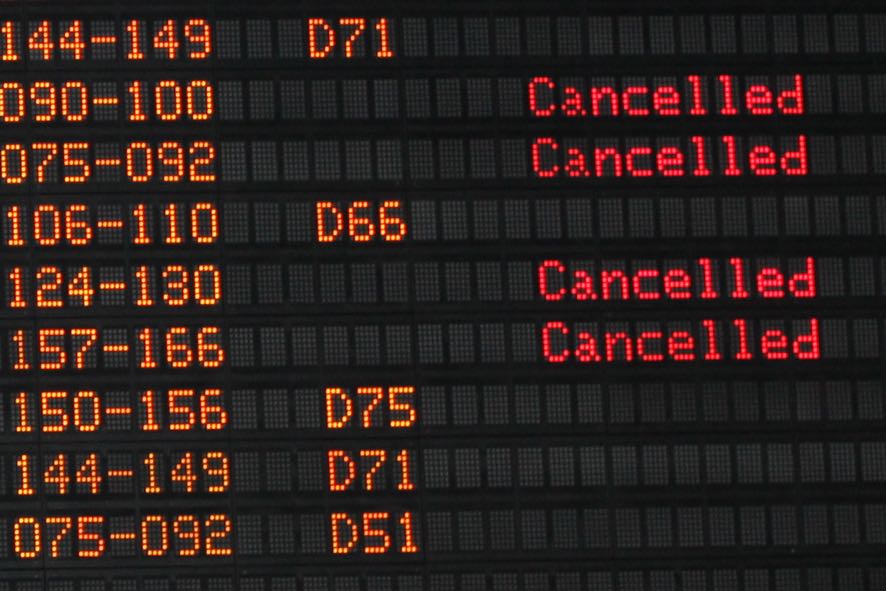
No matter how hard we may try to plan, sometimes things happen that are just beyond our control. It’s impossible to predict with any certainty what will happen down the road, especially if the trip was planned 6 months in advance. You may get sick, get laid off, or experience a death in the family. Cancellation and interruption insurance considers these contingencies and limits your liability and loss for all prepaid nonrefundable expenses that may have been incurred on items like flights, tours and transportation. Cancellation insurance kicks in after the effective date and reimburses for cancellation fees. Interruption insurance takes place after departure and will reimburse for unused, prepaid, and non-refundable expenses in the event you unexpectedly cut the trip short. Considering the travel industry, you’ll find this coverage to be the most practical and useable. You certainly should read the fine print carefully for acceptable reasons, but generally cancellation and interruption insurance will cover circumstances if:
- Your travel plans are cancelled or interrupted because of loss of employment, sickness, or death in the family
- Cancellation, bankruptcy or strike of your prepaid reservations for Flight, Tour, Hotel, or transportation
- Cancellations due to inclement weather, natural disasters or strife
Make sure the amount covered is at least $2500. Coverage can be increased with more expensive policies so determine your needs based on you or your family’s health, destination and reputation of travel vendors.
Baggage and Personal Effects Insurance
Baggage and personal effects insurance covers against losses during your trip as a result of theft, damage or delays to items such as jewelry, electronics and photography equipment. Most basic plans have a limit of up to $500 per article, but you can purchase more if your trip happens to be particularly adventurous. Baggage delay insurance is generally only on the outbound portion of the trip, and provides up to $750 to purchase personal effects in the event your baggage has been delayed for 12 hours or more.
Also be aware that airlines do offer checked baggage liability for checked luggage, but read their policy to see what the rules and limitations may be.
Comprehensive Insurance
Typically, most policies you’ll come across will include everything listed above. Comprehensive policies are great for those who are comfortable knowing that all eventualities are covered. For the rugged, anything-goes type adventurer, some of the travel insurance coverage won’t seem as necessary, and they could possibly get away with just medical insurance. For those who want peace of mind, comprehensive travel Insurance is probably the best bet. Comprehensive will sometimes serve as your primary coverage, superseding all other insurance coverage you might have.
 Compare Travel Insurance Companies

Given the sheer number of travel insurance companies, choosing a reliable and credible company is no easy task. At face value, most companies and policies appear very comparable offering the same coverage, but it’s those little details like claims process or customer service that make the most difference in emergency situations. You don’t want to be put on hold, while you’re bleeding out! Also, don’t go cheap, as the only one to suffer in the end will be you. $30,000 may sound like a lot, but with serious emergencies requiring hospital stays, and professional care, it won’t nearly be enough and you’ll find yourself paying a fortune for something that could have been avoided for just a few bucks a day.
Make sure your policy has the following:
Medical Benefits
- High coverage limit with $100,000 minimum (more coverage can be purchased)
- Accident and sudden sickness coverage
- Emergency evacuation with at least $300,000 (medical repatriation)
- Emergency dental treatment with at least $750
- Full and transparent list of covered adventure activities and sports
Travel Benefits
- Coverage to most countries in the world
- Gear and electronics coverage against theft, damage or loss with a minimum limit of $500 per article
- Emergency cancellation and interruption coverage of at least $2500 for all prepaid non-refundable expenses (Hotels, Flights, Tours, Transportation)
- Flexible policy changes during travels
Help and Support
- 24hr customer service including legal assistance, funds transfers, claims, document replacements, language interpretation
- Simple claims process
- Transparent and easy to read policies
- Payment of claims within 30 days
Optional Benefits
- Concierge services for entertainment, restaurants accommodation and rental recommendations
- Option for Car rental insurance
- Policy Cancellation grace period (7-10 days)
How to Buy Travel Insurance Coverage
Buying travel insurance is incredibly easy. But you need to be careful of the shady ones. Follow the above criteria and you should be OK. There are numerous insurance companies to choose from, and even travel agencies will often sell it as an additional service. Be wary when purchasing directly from travel agencies though, as they are working on commission, and you may end up paying for more than you actually need. Whenever possible, speak to the travel insurance agent directly and ask the hard questions until satisfied. With some policies you can purchase a la carte, paying for only what you need. So for instance, if you don’t require cancellation and interruption coverage, you can request only medical and evacuation insurance.
A credible travel insurance company will offer a satisfaction guarantee allowing you to cancel the policy for a full refund within 7-10 days of purchase, assuming no claim has been made. If they don’t offer this, keep on looking.
Always compare policies and be sure to read the limitations and restrictions of each. A great site to compare and find insurance companies is Insure my Trip. They aggregate competitor prices for easy viewing, and also provide results for seniors 70+.
When in doubt, call and ask questions.
When To Buy Travel Insurance
Some travel insurance companies allow you to purchase coverage at least 24 hours prior to trip departure whereas others require you to buy travel insurance within10-14 days of your first trip deposit date. Trip deposit date is defined as the date that you make an initial payment against any upcoming trip.
Another reason why I stand behind World Nomads is the flexibility to buy travel insurance even after you’ve already left on your trip.
General rule of thumb that I follow is to buy travel insurance at least 2 weeks prior to my departure so that I still have a cancellation window. However, if you’re planning your trip far in advance, you may want to purchase on or around the same time you make your first initial trip deposit. This way, you’ll be covered by the cancellation and interruption insurance if your plans change.
Stay away from travel insurance companies that have absurdly restrictive requirements. They’re just creating loopholes for themselves.
 Making a claim

It’s important to consider the claims process when choosing and comparing travel insurance companies. The last thing you want to deal with are further complications in the midst of an emergency or having to wait months for reimbursement on a legitimate claim. Making a claim should be as simple as making a call, filing through an online system or even contacting them through social channels like the company Facebook page.
In serious emergencies requiring excess amounts, a good travel insurer will cover the cost upfront. Only for non-critical emergencies that are not excessive in costs will you have to pay out of pocket first and be reimbursed later. Either way, during any occurrence, make sure to call your travel insurance company and let them know what is happening and how best to proceed. Most importantly keep all receipts, documentation and anything else that can help you substantiate the claim to make the reimbursement process easier.
Know the fine print and recognize what is not covered
I know this probably goes without saying, but because of its importance, I’m going to say it anyways: always read the fine print! Knowing what isn’t covered is equally as important as knowing what is covered. Before committing to any policy the company should allow you to read through the agreement so you may identify details not included in its summary. This is where you’ll discover what is not covered, and what can disqualify your travel insurance coverage. Transparency is very important, and it’s your responsibility to be aware of the limitations in coverage.
For instance, any accident or event caused while under the influence of drugs or alcohol is not covered, or going to “at-risk countries” listed by the U.S. State Department may also disqualify coverage. Activities like bungee jumping may also disqualify you unless added to the policy. Bottom line, exercise good sense and do not take unnecessary risks. Keep in mind that travel Insurance companies are a business and will do their best to avoid having to pay out. Be diligent and know the limitations of your policy.
Other points to consider
There are a few other important points to consider that didn’t quite fit into the sections above. The more information you have, the more prepared you will be for any contingency. You’ll know who is responsible for what, who to call, and what your rights are.
- If you purchased your flight using a credit card, it may include limited travel insurance benefits such as cancellation, accidental death and dismemberment
- The cost of travel insurance is heavily dependent on age. The rates tend to go up significantly for every decade above 50 years of age
- Know the difference between being adventurous and being stupid. Exercise good sense, and behave as though you don’t have travel insurance coverage
- Pre-existing medical conditions are not covered
- Know the difference between reimbursed expenses and what is paid directly by the insurer (i.e. hospital stays are paid directly whereas clinic visits will be reimbursed)
- Travel insurance coverage can sometimes be affected by who made the purchase on items like car rentals, flights, and accommodations (e.g. arranged by travel agency)
- Medigap plans may offer coverage for travel outside the U.S, and cover up to 80% of the billed charges. Check your plan and policy for more detailed information.
If there is a specific take away from all this, it’s buy travel insurance. For the cost of a cup of coffee a day you are protected against any eventuality and can enjoy the freedom that comes with peace of mind. Consider it as an essential part of your travel gear and something that you wouldn’t hit the road without. Ensure that you can keep on adventuring – Buy travel insurance!
For more guides and travel recommendations see our Travel Resources
Should I Buy Travel Insurance? Yes and Here's Why

No comments:
Post a Comment